Medicinal Plants at Kfar Sarah
Lemon Balm (Melissa)
Lemon balm is one of the key botanical remedies for existential anxiety and ongoing stress. It acts on brain receptors in a way that induces deep relaxation, reduces nervousness and significantly supports uninterrupted sleep when stress affects sleep quality. It is the first choice for people whose pressure and worry translate into clear physical symptoms: a fast heartbeat and palpitations, and irritable bowel ("nervous stomach").

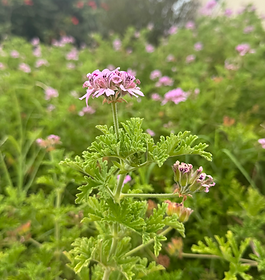
Lemon-scented Geranium
Geranium works mainly through the sense of smell (the limbic system in the brain, responsible for emotions) and excels at balancing and stabilizing extreme mood swings caused by ongoing uncertainty. It lowers anxiety, calms anger or frustration stored in the body, and induces a sense of protection and safety. Physically, it helps balance the hormonal system, which is often thrown off balance by increased secretion of stress hormones (cortisol and adrenaline).
Lemongrass
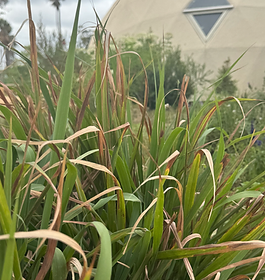
Ongoing stress often leads to a sense of freezing, low mood and loss of energy. Lemongrass has an uplifting, strengthening effect. It clears mental overload, reduces anxiety and helps the body recover from the chronic muscle tension that accompanies stress. It is not sedating; rather, it helps the mind find a state of "alert calm" and reduces the physical wear of stress through powerful antioxidant activity.
Lavender
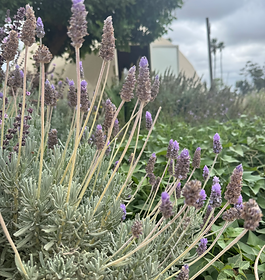
The ultimate anti-anxiety and anti-stress plant. Lavender immediately and, as research shows, reduces cortisol (the stress hormone) and lowers the activity of the sympathetic nervous system (the "fight or flight" mechanism). It calms anxiety attacks, melts feelings of heavy pressure in the chest, and is considered the leading plant for treating insomnia, as it lengthens deep sleep.
Mint
Ongoing tension tends to show up immediately as tension headaches and chronic tightening of the diaphragm and digestive system. Mint helps release this tightening. Its menthol acts as a muscle relaxant and relieves physical tension, allowing deeper, better breathing. Its scent reduces the feeling of emotional suffocation and eases headaches caused by excessive worry.
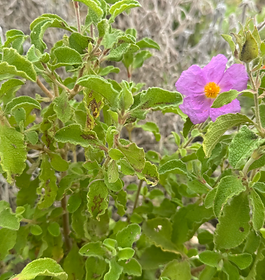
Lemon Verbena (Louisa)
Lemon verbena offers a sense of comfort, calm and gentle ease. It is ideal as part of a regular evening ritual meant to signal to body and mind that it is safe to "lower the defenses" despite the uncertainty outside. It supports a nervous system worn down by long-term stress and eases physical symptoms such as muscle and joint pain caused by holding tension in the body for a long time.

Chamomile
A classic calming plant – gentle, yet with a very deep effect on the mind. Chamomile is excellent for reducing generalized anxiety (GAD) and is highly recommended for people for whom stress causes a strong sense of emotional vulnerability or a "sensitive stomach". It significantly eases insomnia and helps the transition into calm sleep without nightmares. In addition, it is anti-inflammatory and protects the body from the physical damage of chronic stress on the digestive system.
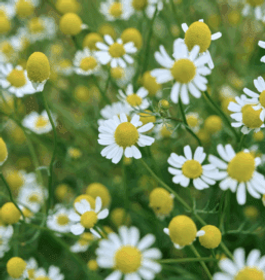

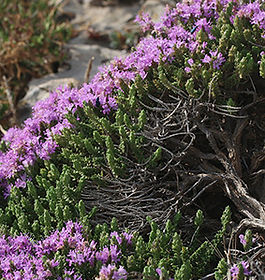
Pink Savory (Tzatra)
Savory has many uses as a spice and as a folk remedy for respiratory, digestive and skin ailments, against dizziness and for calming the nerves. An infusion of its leaves helps with everything related to the respiratory system – coughs, asthma and sore throats. It is considered a strong disinfectant plant, improves digestion and absorption, is anti-inflammatory and an expectorant that dries phlegm, improves blood flow, effectively disinfects the digestive tract against intestinal pathogens, and helps with infections and inflammation of the upper respiratory tract.

Three-lobed Sage
The queen of folk medicinal plants. Used to treat a wide range of ailments, from colds and flu to respiratory and digestive problems, and even for the liver, gums and skin. It helps greatly with bloating, abdominal pain, constipation, diarrhea and bowel problems, headaches, hand tremors, various aches, joint pain and earaches. Recommended as a diuretic, good for purifying the blood, helps treat skin wounds and fights fungus between the toes.

White Micromeria (Zuta)
Used mainly to lower blood pressure and to treat dizziness, migraines and headaches, abdominal pain, colds, coughs and heart conditions, and to cleanse the body after childbirth; it improves mood and calms. Helps with restlessness, intrusive thoughts, anxiety and insomnia, and attention and concentration problems in children and adults, especially with hyperactivity and restlessness (ADHD).
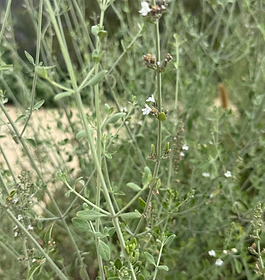
Catmint (Nepeta)
Helps strengthen memory, calms, and helps with involuntary trembling of the body and general restlessness. Catmint helps people who have trouble falling asleep – a cup of catmint tea before bed allows calm, quiet sleep. Effective for mental and physical weakness, apathy, confusion and difficulty making decisions, after a long illness, and for depression, prolonged low mood and grief and loss. In these states the plant stimulates, opens and purifies. Effective for tension headaches, abdominal pain, gas and digestive cramps, and for regulating digestion, absorption and bowel movements. It calms coughs and helps with dizziness, sinusitis, runny nose and more.

Germander (Gaada)
Helps strengthen the pancreas and encourages insulin production, so it is very suitable for people with diabetes. It is also anti-inflammatory and helps mainly with lung infections. Effective for gallstones and for balancing fat and sugar levels in the body. Infusions of its leaves are used to increase appetite and against pain, fever, chills, intestinal worms, internal kidney diseases, digestive and respiratory problems, morning sickness in pregnancy and weakness during menstruation. Germander can be used over long periods, so it is effective as part of treating chronic digestive problems and sensitivities.

Syrian Hyssop (Za'atar)
Hyssop is one of the most common plants in the folk medicine of Israel's communities and is the basis for the za'atar spice. It helps with headaches, respiratory and digestive problems, nausea, earaches, colds, coughs, intestinal worms, eczema, gum inflammation and more. Its leaves increase blood flow and directly disinfect the respiratory, digestive and urinary systems. In the digestive system, the leaves are effective for weak absorption of food, which causes gas, bloating, constipation and a feeling that food is not digested well.

Headed Thyme (Koranit)
Thyme has a dynamic, warming, stimulating and drying character. Its essential oil content makes it one of the strongest disinfecting plants in local medicine. Very effective against inflammation in the body – its disinfecting ability is enormous, and it helps greatly with arthritis, ear infections and urinary tract inflammation and infections. It also helps strengthen the hair roots.